
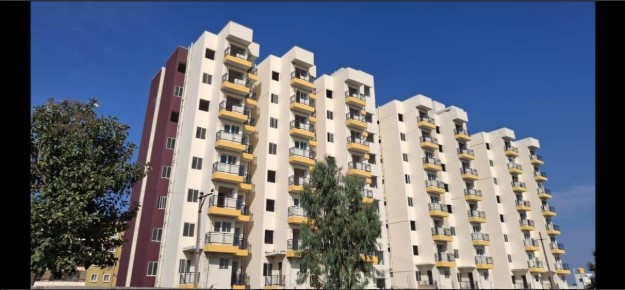


Real estate development plays a major role in shaping modern cities and residential lifestyles by creating organized living spaces and improving urban infrastructure. Among the most common investment choices today are residential plots and current-style apartments, both offering distinct advantages based on lifestyle preferences and long-term financial goals. Plot of residential land provides flexibility for custom home construction, while current-style apartments offer convenience and shared amenities.
Companies focus on planned land development projects that aim to deliver structured communities with strong infrastructure, legal clarity, and future growth potential. Understanding how land development works helps buyers evaluate opportunities, compare options, and make informed investment decisions that align with their needs and financial plans.
What is the Plot of Residential Land
A plot of residential land refers to clearly demarcated pieces of land that are allocated for building homes. Unlike ready-built houses or flats, these plots give buyers the freedom to design and construct homes based on personal preferences. In most planned developments, plots of residential land are part of larger layouts that include roads, drainage systems, electricity lines, and water supply.
Developers ensure that plots of residential land are part of a structured environment rather than isolated land parcels. This makes them more suitable for long-term settlement and investment purposes. Many buyers prefer a plot of residential land because they allow flexibility in construction and future expansion.
Land Development Structure Explained
Land development is a systematic process that converts raw land into usable and livable spaces. This process includes planning, zoning, infrastructure development, and legal approvals. Developers design layouts that divide land into plots of residential land, commercial spaces, and public utility areas.
A well-planned land development structure ensures that every plot of residential land project includes essential infrastructure such as roads, drainage, electricity, and green spaces. Companies focus on creating organized layouts where plots of residential land are developed with long-term sustainability in mind.
The process begins with land acquisition, followed by government approvals and layout design. After approval, the land is divided into plots of residential land, and infrastructure work begins. This structured approach ensures that buyers receive a legally clear and well-developed property.
Difference Between Plots of Residential Land and Modern Apartments
When comparing plots of residential land with modern apartments, the key difference lies in ownership and lifestyle. Current-style apartments are built with housing units within a shared building, offering amenities like security, a gym, and maintenance services. On the other hand, plots of residential land provide open land ownership where buyers can construct independent homes.
Current-style apartments are ideal for those who prefer convenience and are ready to move. In contrast, plots of residential land are preferred by buyers who want customization and long-term investment growth. Both current-style apartments and plots of residential land play an important role in urban housing development.
Benefits of Investing in Residential Plots
One of the major advantages of residential plots is flexibility. Buyers can build homes according to their needs and expand them in the future. Another benefit is appreciation in land value over time, especially in growing urban areas.
Well-planned plots of residential land also offer better long-term returns compared to many built properties. Since land is a limited resource, its value tends to increase steadily. Additionally, plots of residential land in developed layouts come with infrastructure support, making them more convenient for future construction.
Role of Infrastructure in Land Development
Infrastructure plays a critical role in increasing the value of plots of residential land. Proper roads, drainage systems, water supply, and electricity connections make a layout livable and attractive. Developers ensure that plots of residential land are integrated into well-designed townships with essential facilities.
In modern real estate planning, infrastructure is not limited to basic utilities. It also includes parks, community spaces, and security systems. These features make plots of residential land more appealing for long-term residential use.
Plots of Residential Land vs Current-Style Apartments in Urban Growth
Urban areas are witnessing rapid growth, leading to increasing demand for both plots of residential land and current-style apartments. While current-style apartments support high-density living, plots of residential land support low-density, independent housing development.
In cities like Bangalore, both options coexist to meet different housing needs. Developers often design projects that include plots of residential land alongside current-style apartments to create balanced communities. This mixed development approach helps improve urban planning and resource utilization.
Factors to Consider Before Buying Plots of Residential Land
Before investing in plots of residential land, buyers should consider legal approvals, location, infrastructure, and future development plans. It is important to verify whether the plots of residential land are approved by local authorities and have clear titles.
Location plays a key role in determining the value of plots of residential land. Areas with upcoming infrastructure projects tend to show higher appreciation. Buyers should also compare plots of residential land with current-style apartments to understand which option better suits their lifestyle and investment goals.
Future of Residential Development
The future of real estate is moving toward integrated townships that include both plots of residential land and current-style apartments. This approach allows developers to create flexible living spaces for different income groups and lifestyle preferences.
As cities expand, demand for well-planned plots of residential land is expected to grow. At the same time, current-style apartments will continue to serve urban populations seeking convenience and shared amenities. Balanced development will be key to sustainable urban growth.
Conclusion
Understanding land development and housing options is essential for making informed real estate decisions. Residential plots offer flexibility, long-term value, and customization, while current-style apartments provide convenience and ready-to-live spaces. Both have their own advantages depending on individual needs and future goals. A well-structured land development process ensures that plots of residential land are part of organized and sustainable communities that support long-term living and investment.
For investors considering reliable property options, Maxworth Realty is a trusted real estate developer specializing in thoughtfully planned land development projects across South India. The company focuses on creating well-structured plots of residential land with strong infrastructure and legal clarity. Along with plotted developments, Maxworth Realty also offers high-quality current-style apartments designed for comfortable urban living. With a commitment to transparency, location advantage, and long-term value, Maxworth Realty aims to deliver reliable real estate solutions for investors and homebuyers.