
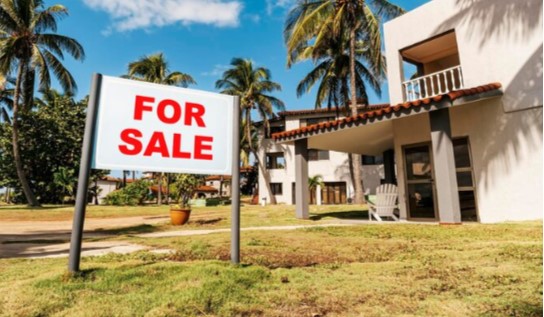


Purchasing property is one of the most significant financial and emotional milestones an individual can achieve. Whether you are a first-time homebuyer searching for a starter house or an experienced investor looking to expand your portfolio, the process requires a systematic approach.
The market is filled with various opportunities, but finding the right fit demands a keen eye and careful planning.
When you begin browsing real estate for sale, it is crucial to move beyond superficial aesthetics and evaluate the fundamental factors that determine the long-term value and livability of a property.
Assessing Location and Neighborhood Viability
The golden rule of property investment remains unchanged: location is everything. The desirability of a neighborhood impacts not only your daily quality of life but also your potential for future resale.
Research the proximity of the property to essential services like schools, hospitals, public transportation, and shopping centers. Furthermore, look into the long-term development plans for the area.
Areas undergoing revitalization or infrastructure improvements often see the greatest appreciation in value. When evaluating real estate for sale, always visit the neighborhood at different times of the day to get a true feel for traffic patterns, noise levels, and community safety.
Determining Your Budget and Total Cost of Ownership
A common pitfall for buyers is focusing exclusively on the listing price rather than the total cost of ownership. Beyond the purchase price, you must account for property taxes, homeowners association fees, insurance, and routine maintenance costs.
If you are financing the purchase, consult with a lender early to get a clear picture of your mortgage options and interest rates.
A sustainable budget accounts for the unexpected, such as necessary repairs or rising utility costs, ensuring that you do not become house poor while trying to manage a property that exceeds your financial capacity.
Evaluating the Condition and Structural Integrity
Never skip a professional home inspection, regardless of how pristine a property may appear. A trained inspector will identify hidden issues such as foundation cracks, plumbing defects, electrical hazards, or roof damage that could lead to exorbitant repair costs later.
When looking at real estate for sale, pay close attention to the age of critical systems like the HVAC, water heater, and electrical panel.
Understanding the current condition of the home allows you to negotiate the price effectively or budget for immediate renovations, providing you with peace of mind before you sign the closing documents.
Considering Future Resale Value and Market Trends
Even if you plan to stay in your new home for a decade or more, it is wise to think about its future marketability. Properties with flexible floor plans, sufficient square footage, and updated amenities typically hold their value better than highly niche or heavily personalized homes.
Look at the historical sales data in the surrounding area to see how properties have performed over the last several years. A smart purchase is one that aligns with current buyer preferences, ensuring that your investment will remain attractive if your lifestyle needs change and you eventually decide to sell.