
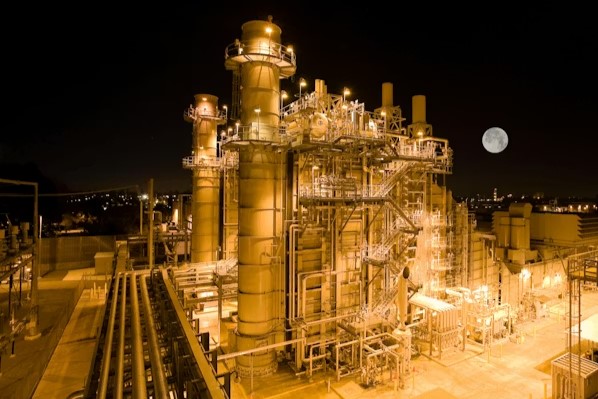


Modular gas processing has become an increasingly important approach in the energy sector due to its flexibility, scalability, and efficiency. Instead of constructing large, permanent processing plants, modular systems are built in sections that can be transported, assembled, and commissioned more quickly. This method reduces construction time and allows operators to adapt to changing production needs.
However, despite its advantages, modular gas processing can still be complex to design, install, and operate. Making the process easier requires careful planning, standardisation, and the use of modern engineering practices that improve efficiency and reduce operational challenges.
Standardising Modular Design
One of the most effective ways to simplify modular gas processing is through standardisation. When modules are designed using consistent specifications, equipment layouts, and connection systems, integration becomes significantly easier.
Standardised modules reduce engineering complexity and minimise the need for custom fabrication. This also allows different components to be manufactured in parallel, speeding up production and reducing the risk of design inconsistencies. Over time, standardisation improves reliability and makes maintenance more predictable.
Improving Pre-Fabrication and Offsite Construction
A major advantage of modular systems is the ability to fabricate components offsite. Increasing the level of pre-fabrication makes installation faster and more efficient.
By constructing and testing modules in controlled environments, engineers can identify and resolve issues before delivery to the site. This reduces on-site labour requirements and minimises delays caused by weather, logistics, or environmental constraints. Offsite construction also improves quality control, ensuring that each module meets strict performance standards before deployment.
Enhancing System Integration and Compatibility
One of the main challenges in modular gas processing is ensuring that all modules integrate seamlessly. Poor compatibility between systems can lead to inefficiencies, downtime, or operational risks.
To make integration easier, engineers should prioritise uniform interface standards for piping, electrical systems, and control units. Using digital design tools and simulation software also helps identify potential integration issues early in the planning stage. This reduces costly adjustments during installation and commissioning.
Simplifying Maintenance and Accessibility
Maintenance plays a critical role in the long-term efficiency of modular gas processing systems. Designing modules with easy access points for inspection, repair, and replacement makes ongoing maintenance significantly easier.
Equipment should be arranged in a way that allows technicians to reach key components without dismantling entire sections. Clear labelling, modular replacement parts, and accessible control systems all contribute to faster servicing and reduced downtime.
Using Advanced Automation and Control Systems
Automation is a key factor in simplifying modular gas processing. Modern control systems allow operators to monitor and manage multiple modules from a centralised interface.
Automated monitoring systems can track pressure, temperature, flow rates, and safety conditions in real time. This reduces the need for manual oversight and improves response times when issues arise. Automation also enhances operational efficiency by optimising performance across all modules.
Strengthening Logistics and Transport Planning
Because modular systems are transported in sections, logistics plays a crucial role in simplifying the overall process. Poor planning can lead to delays, damage, or installation complications.
Careful coordination of transport routes, lifting requirements, and site preparation ensures that modules arrive safely and can be installed efficiently. Early planning between engineers, manufacturers, and logistics teams helps streamline the entire delivery process.
Focusing on Training and Operational Readiness
Even the most advanced modular system requires skilled operators. Providing comprehensive training ensures that personnel understand how to operate, monitor, and maintain the system effectively.
Training should cover system layout, safety procedures, troubleshooting methods, and emergency response protocols. Well-trained teams reduce operational errors and improve overall system reliability.