
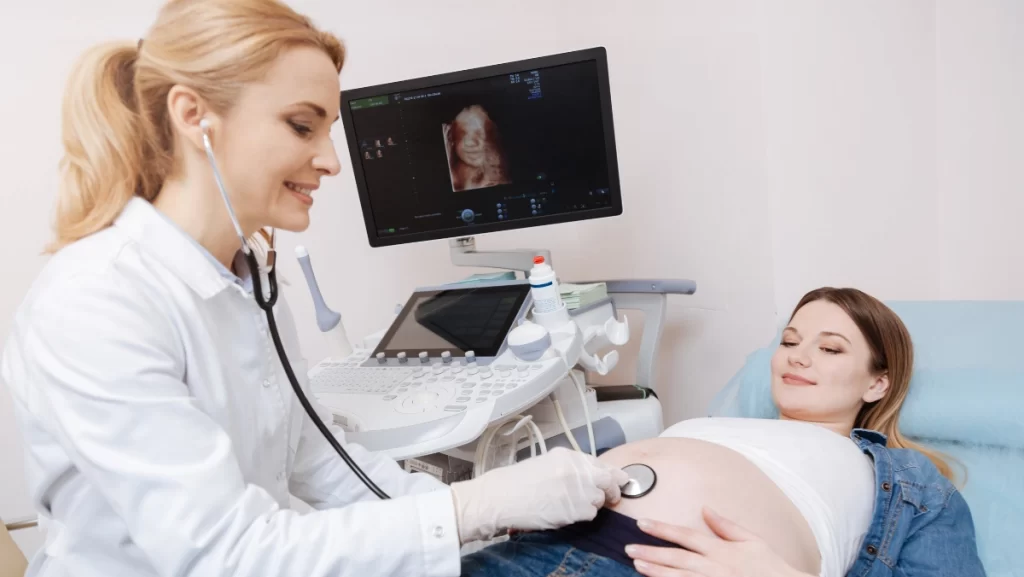


Regular checkups and preventive healthcare are key to maintaining long-term wellness for women. Well-woman exams provide more than routine care, they allow doctors to detect potential health issues early, offer personalized guidance, and ensure that women remain healthy at every stage of life. Many women visit hospitals with advanced gynecological services, such as Danat Al Emarat, to receive comprehensive care that focuses on prevention and overall well-being.
This guide explains what well-woman exams are, what they include, and how they help prevent major health problems before they become serious.
What Is a Well-Woman Exam?
A well-woman exam is a routine health checkup that evaluates a woman’s overall physical and reproductive health. Unlike appointments that focus solely on symptoms or illnesses, these exams are proactive and preventive. They are recommended annually or more frequently based on age, medical history, and individual risk factors.
During a well-woman exam, a gynecologist reviews the patient’s medical history, lifestyle, and family health background. The doctor also performs physical exams and orders screenings that are appropriate for the patient’s age and health status.
Key Components of a Well-Woman Exam
Well-woman exams are comprehensive and tailored to the needs of each woman. Typical components include:
Medical History Review
The doctor asks questions about menstrual cycles, sexual health, pregnancies, past illnesses, family history, and lifestyle habits. This information helps identify potential risks and tailor preventive care.
Physical Examination
A physical exam checks vital signs such as blood pressure, weight, and body mass index (BMI). The doctor may examine the thyroid, heart, lungs, abdomen, and breasts for any abnormalities.
Gynecological Exam
This includes a pelvic exam to assess reproductive organs. A Pap smear may be performed to screen for cervical cancer, while breast exams help detect lumps or other irregularities.
Laboratory Tests
Blood and urine tests are often recommended to check hormone levels, blood sugar, cholesterol, and other markers that indicate overall health.
Preventive Screenings
Depending on age and risk factors, doctors may recommend screenings for osteoporosis, diabetes, high blood pressure, and sexually transmitted infections (STIs).
How Well-Woman Exams Prevent Major Health Issues
Preventive care is the main reason well-woman exams are so important. Regular checkups allow doctors to identify health concerns before they become serious.
Early Detection of Cancer
Pap smears, breast exams, and HPV testing help detect cervical and breast cancers early, when treatment is most effective. Early diagnosis can significantly improve outcomes and survival rates.
Managing Hormonal Changes
Hormonal fluctuations during puberty, pregnancy, and menopause can affect physical and emotional health. Well-woman exams help monitor hormone levels and recommend appropriate treatments or lifestyle changes.
Monitoring Cardiovascular Health
High blood pressure, high cholesterol, and obesity increase the risk of heart disease. Regular checkups allow doctors to detect these issues early and provide guidance to reduce risks.
Bone Health
Screenings for osteoporosis help prevent fractures and maintain bone strength, especially for women approaching menopause or with family history of bone issues.
Reproductive and Sexual Health
Gynecologists can identify infections, sexually transmitted diseases, or other reproductive concerns. Early treatment prevents complications and preserves fertility when desired.
Weight Management and Nutrition
Doctors provide advice on diet, exercise, and healthy weight maintenance, which are crucial for preventing diabetes, heart disease, and other chronic conditions.
Age-Specific Benefits of Well-Woman Exams
Well-woman exams evolve with age, addressing specific health needs at every stage of life.
Adolescence
Screenings focus on puberty-related changes, sexual education, and vaccinations such as HPV. Early guidance encourages healthy habits and prevention.
Reproductive Years
Exams monitor menstrual cycles, fertility, contraceptive needs, and pregnancy planning. They also screen for STIs and provide guidance on maintaining reproductive health.
Midlife
Exams emphasize menopause management, cardiovascular health, weight control, and bone density. Women receive guidance on lifestyle adjustments to maintain overall health.
Post-Menopause
Checkups focus on heart health, osteoporosis, cancer screenings, and managing age-related changes. Preventive care supports long-term wellness and quality of life.
Tips for Maximizing the Benefits of Well-Woman Exams
Women can get the most from their exams by preparing ahead and maintaining regular appointments.
Keep Track of Health Changes
Note any new symptoms, changes in menstrual cycles, mood swings, or unusual discomfort. Share these details with your gynecologist during the appointment.
Bring a Medical History
Include family history, past illnesses, surgeries, medications, and allergies. This helps the doctor provide personalized care.
Ask Questions
Discuss any concerns about sexual health, fertility, contraception, nutrition, or menopause. Well-woman exams are an opportunity to learn and clarify doubts.
Follow-Up on Recommendations
If your doctor suggests tests, medications, or lifestyle adjustments, follow them diligently. Preventive care is effective only when implemented consistently.
Emotional and Mental Health Support
Well-woman exams are not limited to physical health. They also provide a platform to discuss emotional well-being. Anxiety, depression, and stress are common but often overlooked. Gynecologists can provide guidance, refer to mental health professionals, and recommend lifestyle strategies to support emotional health.
When to Schedule a Well-Woman Exam
Even healthy women benefit from regular checkups. Doctors typically recommend annual exams, but appointments may be scheduled sooner if:
- Menstrual cycles become irregular or painful
• You notice unusual discharge, lumps, or skin changes
• You experience symptoms such as fatigue, weight changes, or mood swings
• You are planning pregnancy or experiencing fertility concerns
• You have a family history of cancer, heart disease, or osteoporosis
Early and proactive care reduces the risk of serious health problems and allows timely interventions.
Regular well-woman exams are essential for maintaining women’s health at every stage of life. By providing preventive screenings, early detection of health issues, and personalized guidance, these exams empower women to take control of their well-being. From adolescence to post-menopause, consistent checkups help prevent major health problems, manage hormonal changes, and support overall quality of life.
Visiting a trusted gynecologist ensures that physical, reproductive, and emotional health are all addressed comprehensively. With regular preventive care, women can enjoy better health outcomes, peace of mind, and confidence in their long-term wellness.